Epoxy floor coating on a Newcastle commercial floor

Commercial & Industrial Epoxy Flooring

Resin floor systems for warehouses, retails, hospitality, factories, hospitals and workshops across Newcastle, the Hunter Region, Central Coast and Sydney. Anti-slip, chemical-resistant and heavy-duty coatings, installed onto properly prepared slabs.

Commercial epoxy floor coating in Newcastle

Getting the slab right before anything goes down

Most resin floor failures aren't the resin. They're bond failures — a coating laid over laitance, contamination, moisture or an old system that was never properly removed.

We come out of concrete preparation, so the slab work isn't subcontracted or rushed to get to the interesting part. The floor gets shot blasted or ground to the profile the system's data sheet specifies, moisture is checked before anything is mixed, and any existing coating comes off properly first.

It's the least visible part of the job and the part that decides whether you're recoating in eighteen months.
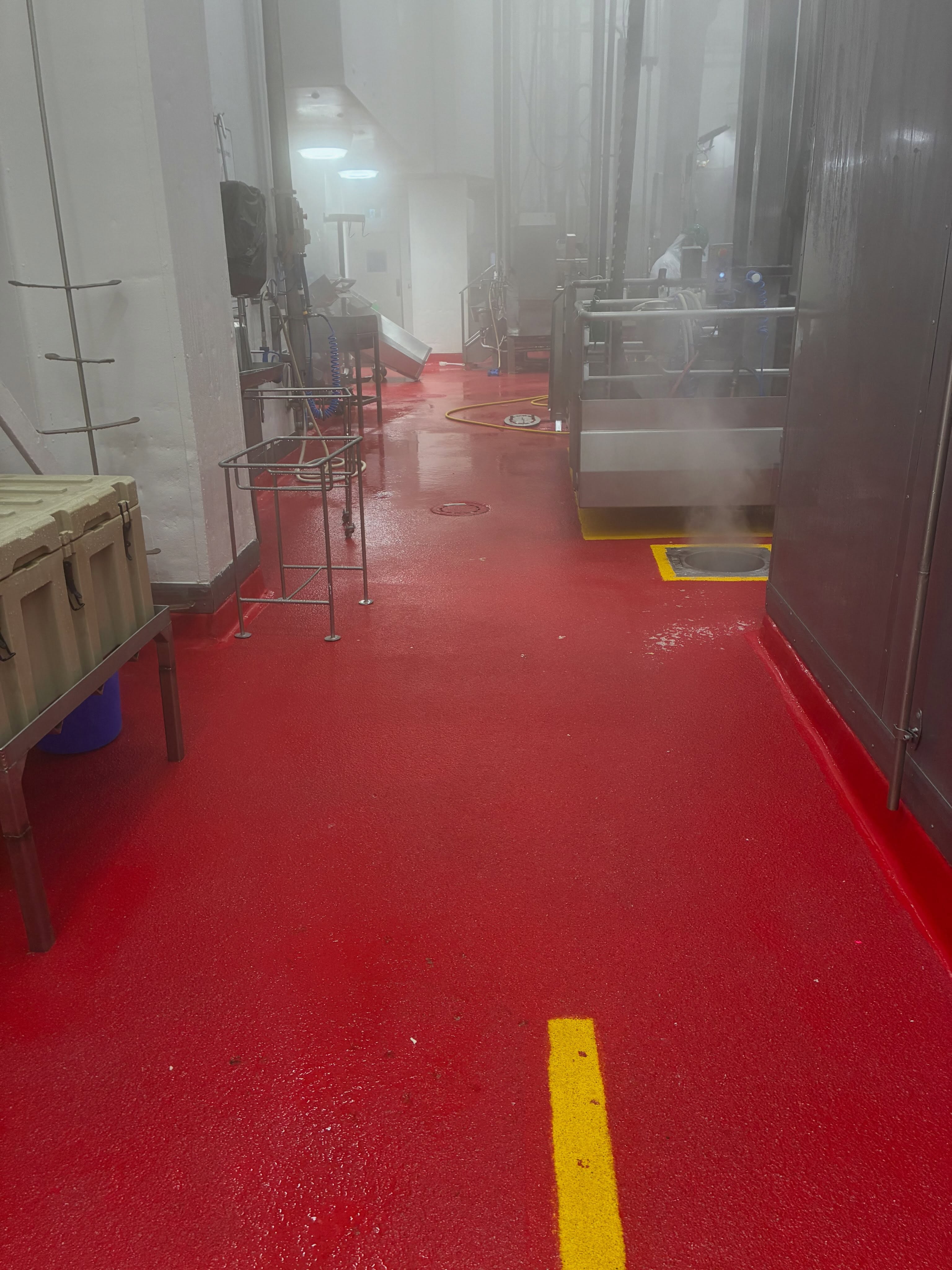
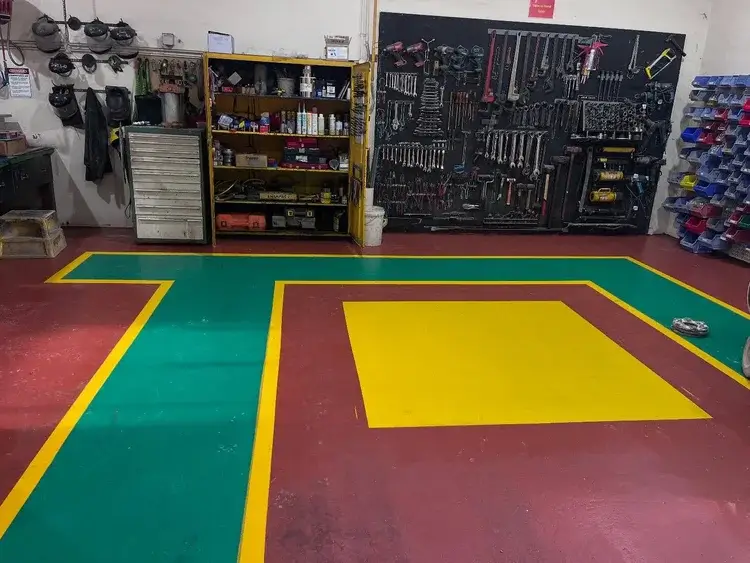
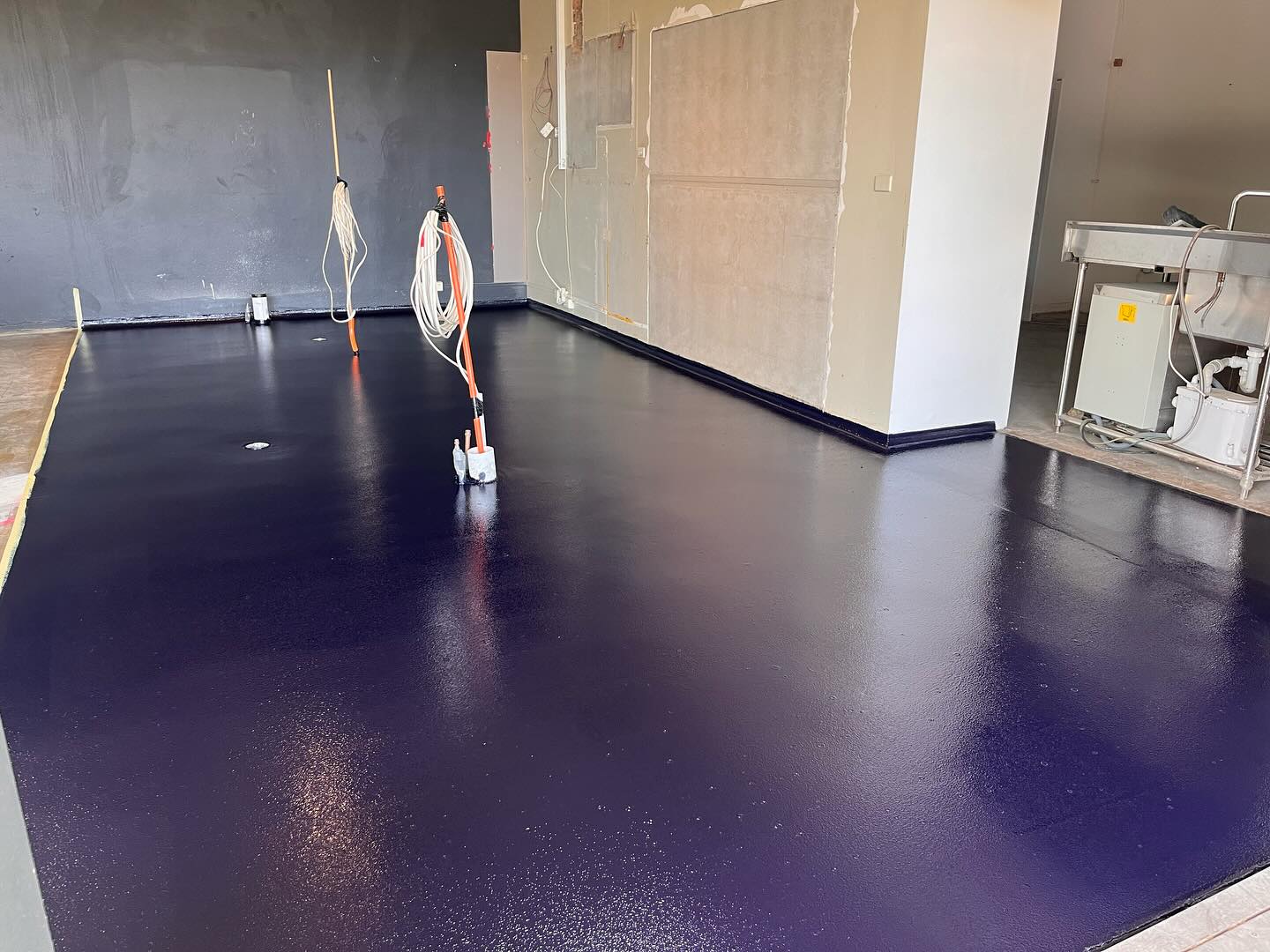
Commercial epoxy floor coating on a prepared concrete slab

Concrete coating and resin flooring systems

Resin flooring isn't one product. Which system suits depends on what the floor has to survive — hot washdown, forklift traffic, chemical spill, constant water — and we specify from there rather than defaulting to one build:

Food grade systems

Seamless, coved and washdown-ready for food production and commercial kitchens.

Anti-slip coatings

Graded aggregate broadcast into the system to hit a specified slip classification.

Warehouse floor coatings

Built for forklift traffic, point loads and impact across large industrial floors.

Chemical-resistant systems

For plant rooms, bunded areas and anywhere spills would attack a standard coating.

Flake and solid colour

Decorative flake or solid epoxy finishes for showrooms and trafficked areas.

Systems
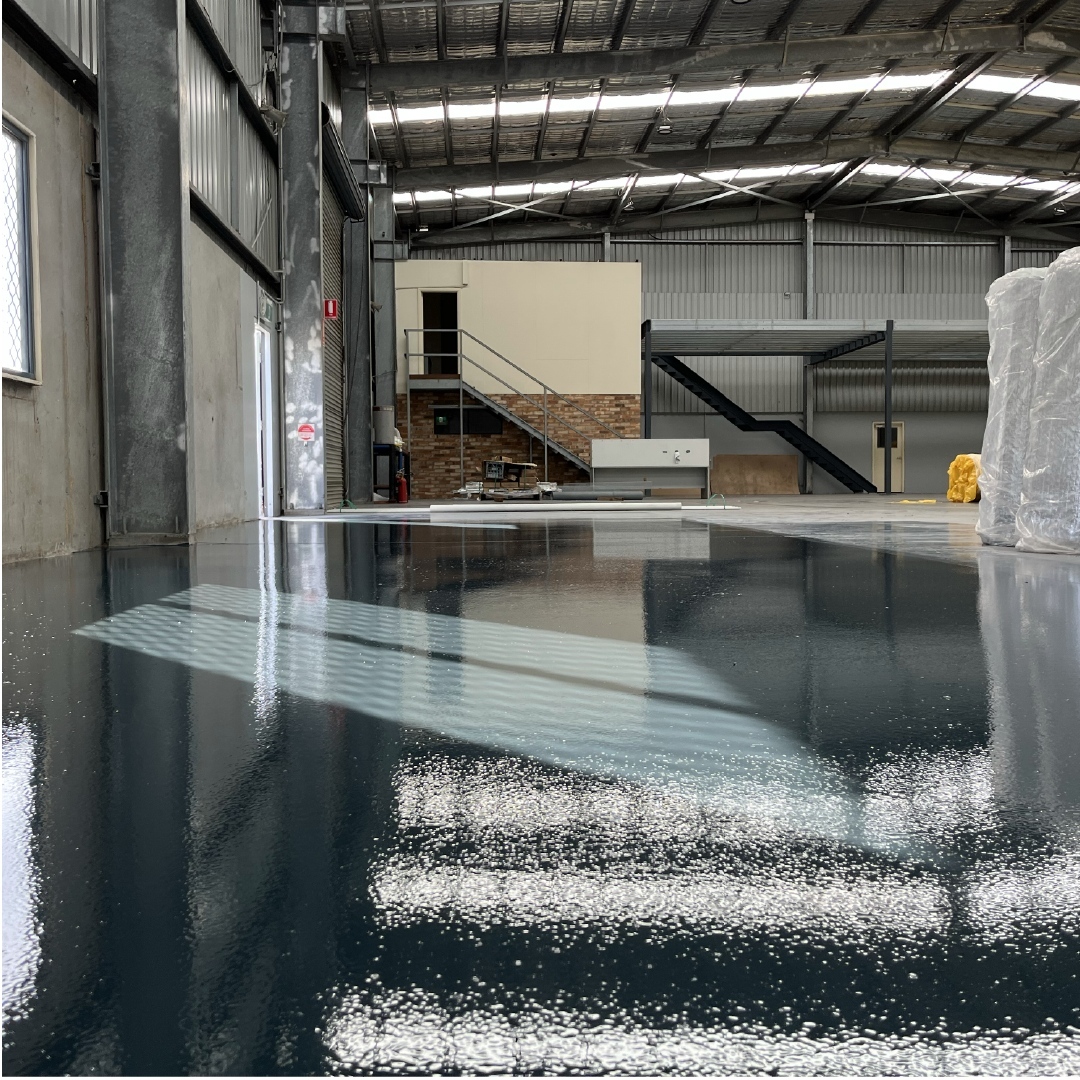
Epoxy floor coating installed on a Newcastle commercial floor

Which system is which

These names get used loosely in the trade, so it's worth setting out what we mean by each.

Resin flooring is the category. Epoxy, polyurethane and polyurethane cement all sit inside it. Solid epoxy is a single colour laid to an even film build, and it's the usual warehouse floor coating — the most economical way to seal and line-mark a large industrial floor. Flake flooring broadcasts vinyl chip into the wet resin and seals over it, which hides marking and adds a little texture underfoot. Polyurethane cement, often called PU screed, is the heavy-duty option where there's washdown, steam or thermal shock.

Tell us how the space gets used and we'll recommend the system, rather than asking you to pick one off a list.

How the job runs

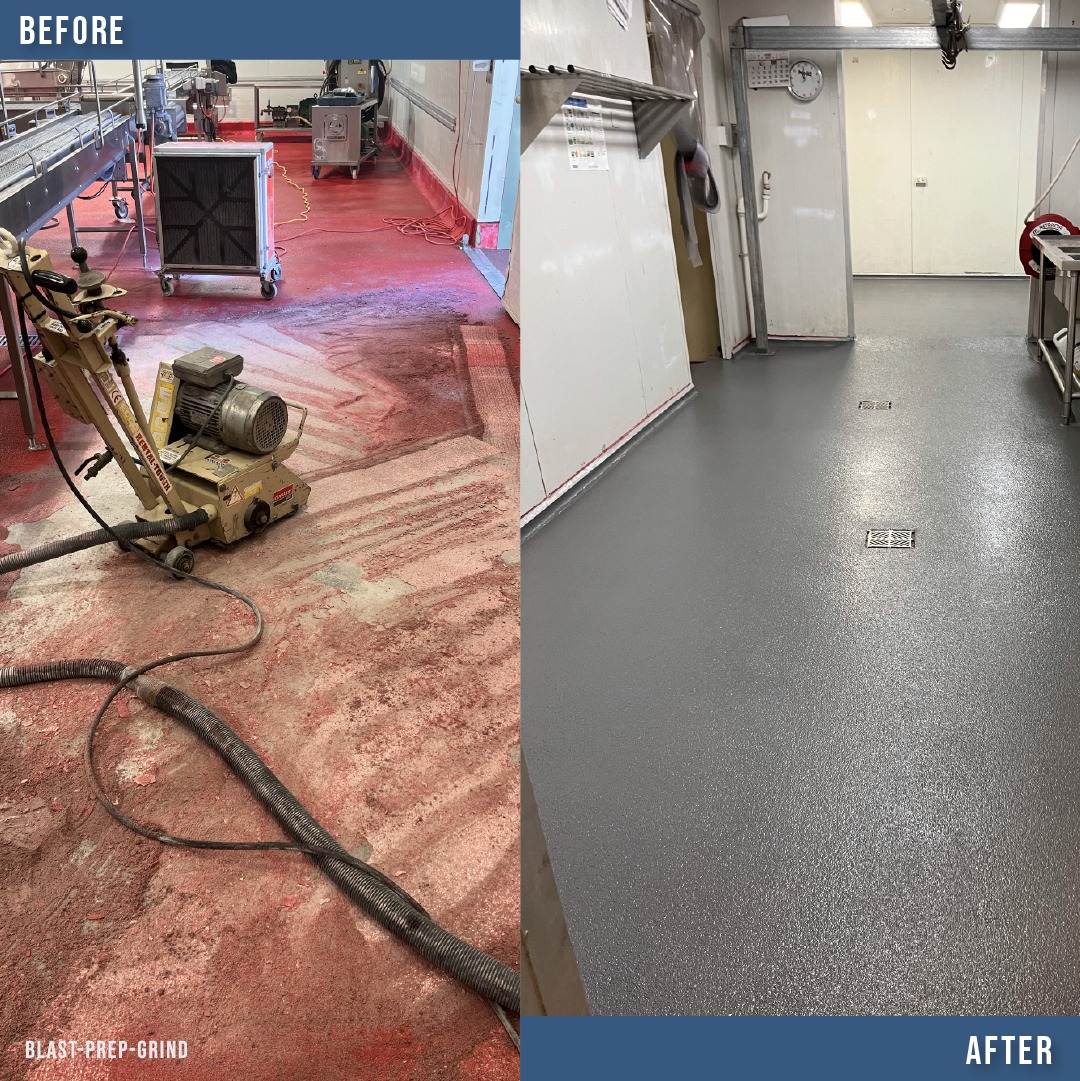
Before and after comparison of an epoxy floor installation
1
Step 1

Site assessment

We check slab condition, moisture and any existing coating, then specify a system against what the floor has to handle day to day.

2
Step 2

Preparation

The slab is shot blasted or ground back to the profile the system requires, and any old coating is removed properly rather than coated over.

3
Step 3

Repairs and detail

Cracks and joints are filled, falls to drains confirmed, and coving formed where the system calls for it.

4
Step 4

Application

The system goes down in coats to the manufacturer's build, with aggregate broadcast where slip resistance is specified.

5
Step 5

Cure and handover

The floor cures to the schedule for the system and conditions, then is handed over with a maintenance rundown for your cleaning contractor.

anti-slip
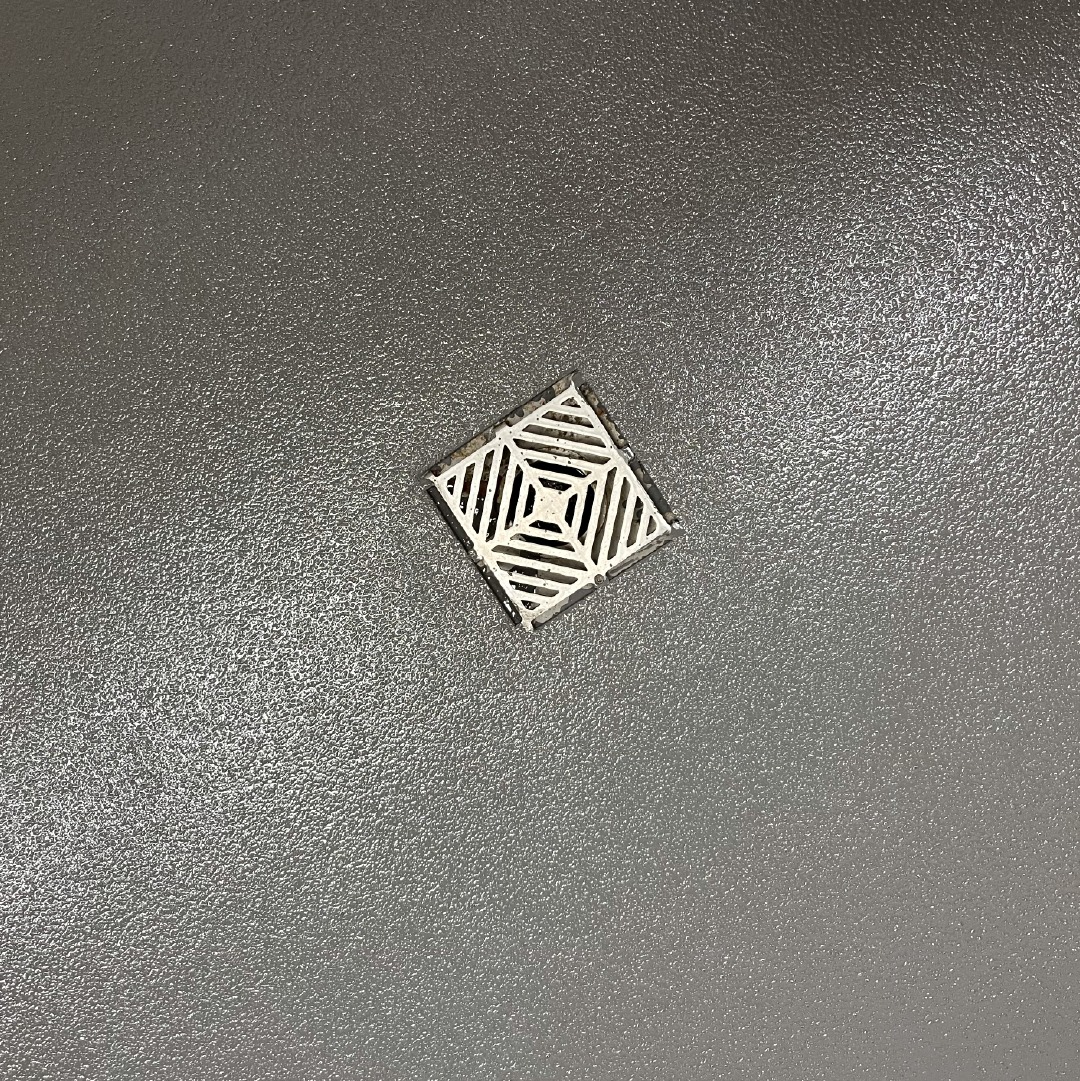
Slip resistance testing on an epoxy floor

Anti-slip flooring

Slip resistance in a resin floor comes from aggregate broadcast into the system while it's wet, then locked in with a topcoat. How much and how coarse determines both the grip and how easily the floor cleans — too aggressive and it holds dirt, too fine and it doesn't do its job in the wet.

That trade-off is the whole decision, and it's why anti-slip should be specified to a target classification rather than ordered as an adjective. Tell us the area, whether it gets wet, oily or both, and what's required of it.

Already have a floor that's failed a slip test? We can test it, specify a treatment and retest once it's down, so you have the result documented.

Where we work
Ready to start?

Get your resin floor priced

FAQ

Frequently Asked Questions

What does commercial epoxy flooring cost per square metre?

Price depends on the system, how many coats it's built to, the condition of the slab and how much preparation it needs first. Heavier builds and chemical-resistant systems cost more than a standard warehouse coating. Contact us today to request a free estimate for your project.

Do you do food grade and commercial kitchen floors?

Yes, and they're covered separately because they're specified differently — see food grade flooring.

How long before we can use the floor?

Cure times vary by system and by temperature. Most resin floors take foot traffic before they take vehicle traffic or chemical exposure, and we'll give you the schedule for your system before we start so you can plan the shutdown.

Can you install anti-slip flooring to a required slip rating?

Yes. Aggregate is broadcast into the system to achieve a target classification, and the finished floor can be slip tested to AS 4663 so you have the P classification documented.

What's the difference between solid epoxy, flake and resin flooring?

Solid epoxy is a single colour laid to an even film build — the usual choice for warehouse floor coatings. Flake flooring broadcasts vinyl chip into the wet resin before sealing, which hides marking and adds light texture. Resin flooring is the umbrella term covering epoxy, polyurethane and polyurethane cement systems, so epoxy is one option within it rather than a separate category.

What concrete coating suits a warehouse floor?

For most warehouses a solid epoxy coating handles forklift traffic, point loads and line marking at a sensible cost. Where there's chemical exposure, heavy impact or washdown, a heavier build or a polyurethane cement system is usually the better call. It comes down to the loads and what gets spilled.

Can you coat over an existing epoxy floor?

Sometimes, if it's well bonded and compatible, but it needs assessment. A failing coating has to come off — see floor covering removal. Coating over a bond failure just buries the problem.

Business hours

let's connect

Work with us

Contact us to request a Free floor estimate or learn more about our flooring services.

Submit your message
Submit your message
Thank you! Your submission has been received!
Oops! Something went wrong while submitting the form.