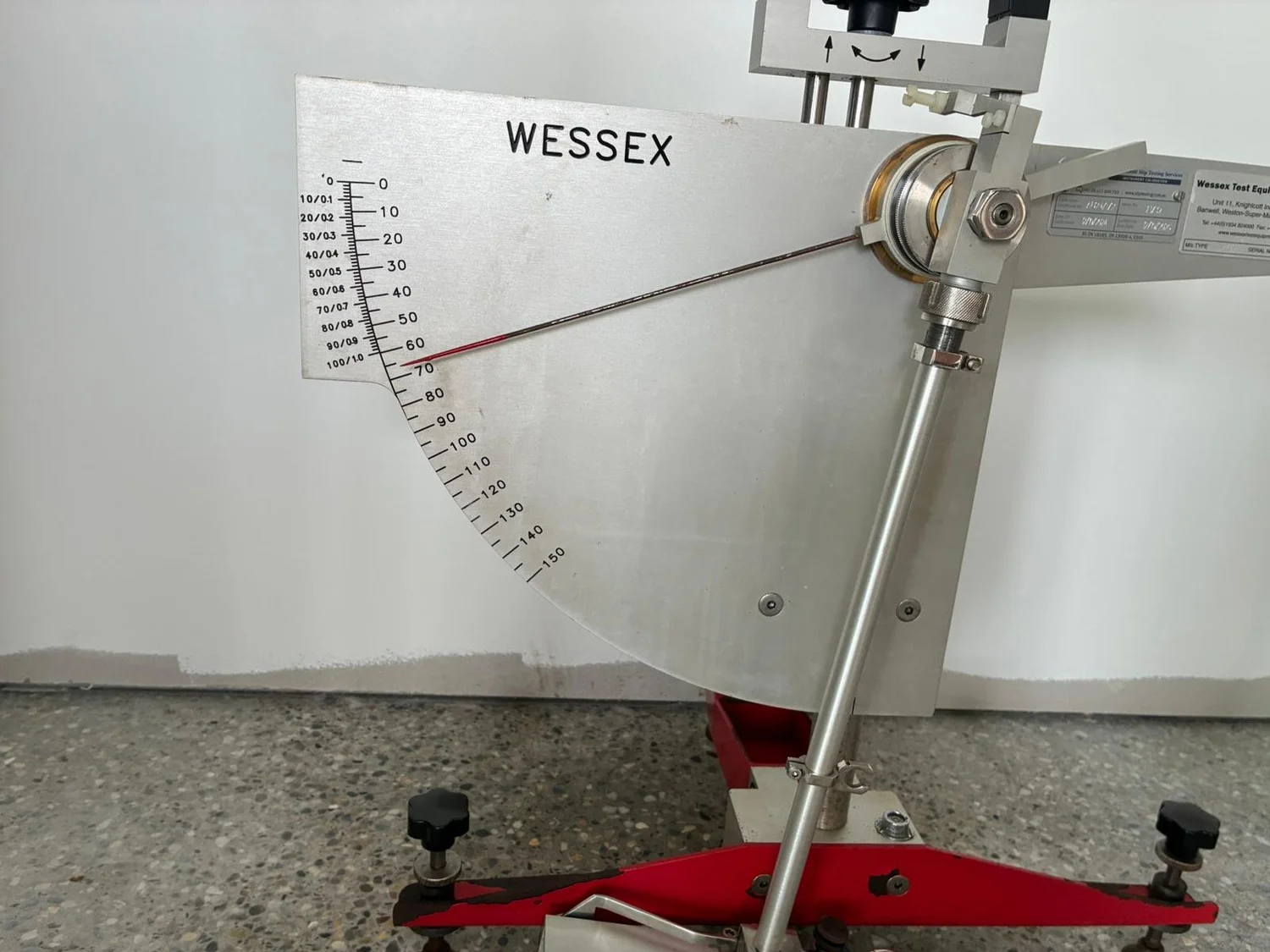
Pendulum test machine set up on a floor for slip testing

Tile Removal for Commercial & Industrial Floors

Ride-on scrapers and dust-controlled removal across Sydney, Newcastle, the Hunter Region and Central Coast. We lift the tiles, take the bedding and adhesive back to a sound slab, and leave the floor ready for what goes down next.

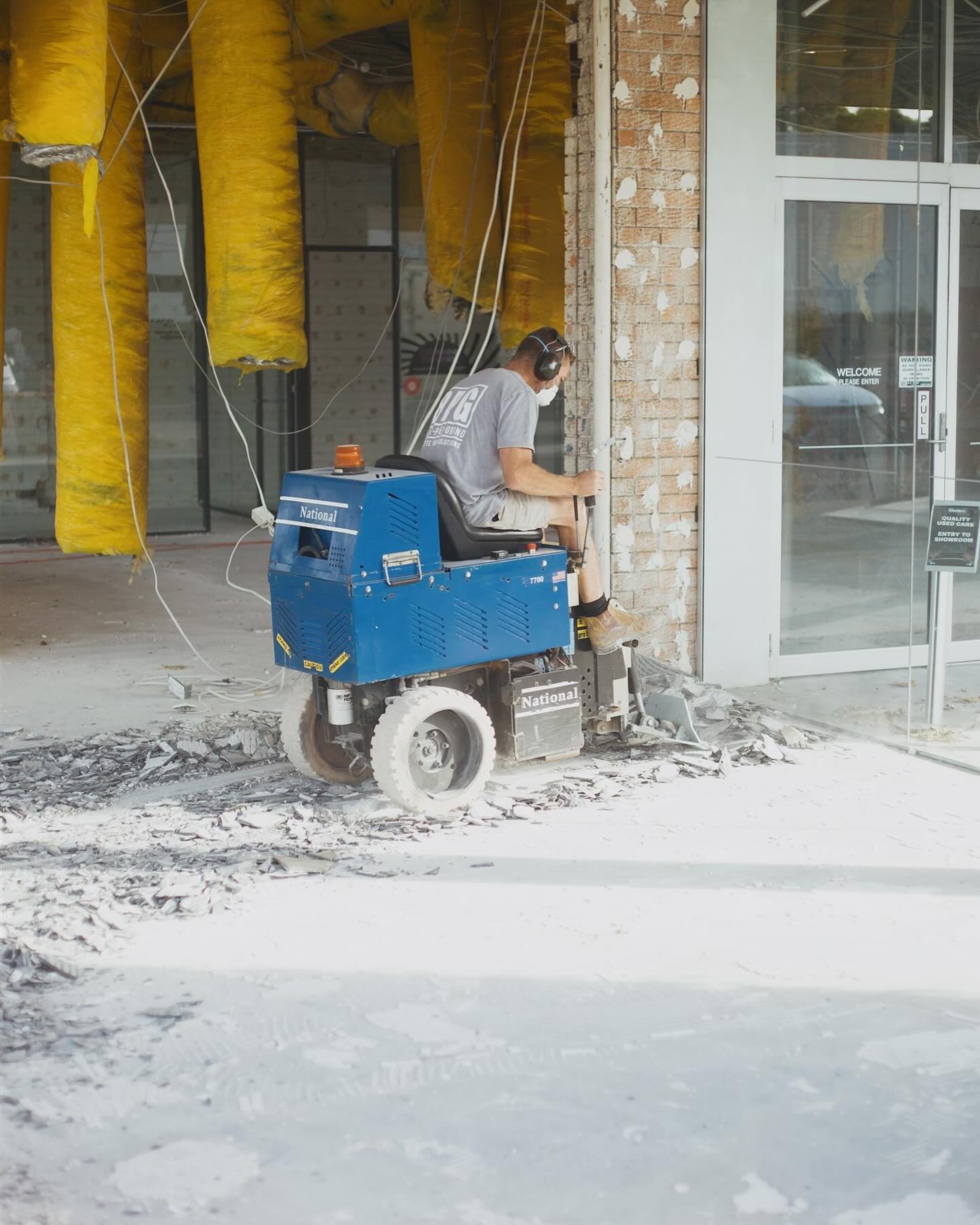
Blast Prep Grind operator on a ride-on scraper stripping tiles from a commercial shopfront floor

Tile removal for floors that can't be shut down

Tile removal is the dustiest job in floor preparation. Ceramic and porcelain bedding is largely silica, and breaking it up uncontrolled will coat a tenancy, trip smoke detectors and shut down the businesses either side of you.

We run continuous H-class vacuum extraction off the machines, seal and negatively pressure the work area where it adjoins occupied space, and keep the debris contained from lift to skip. It's the same silica control regime we apply to grinding and cutting, and it's what lets us work in a trading center or an operating facility instead of only on an empty site.
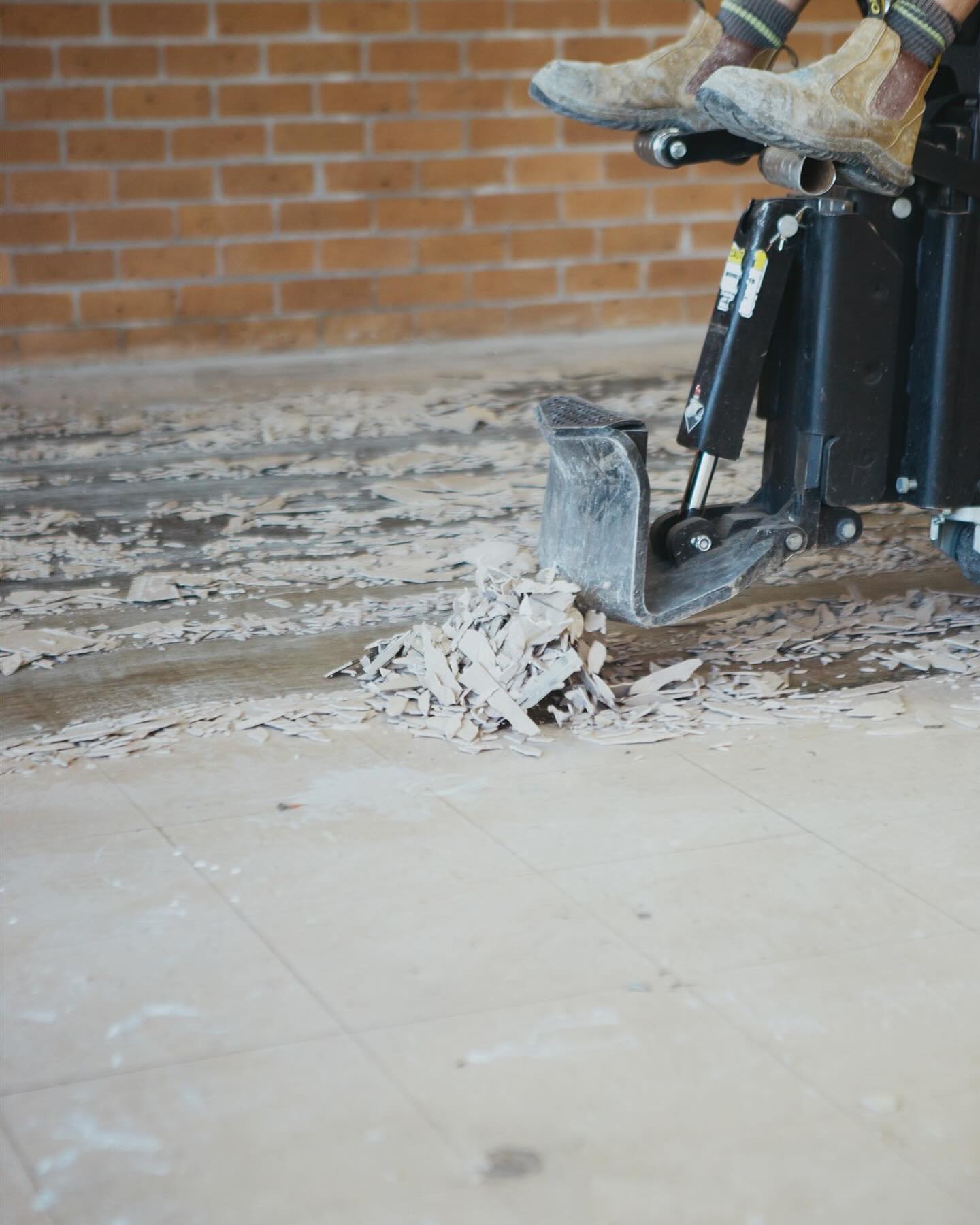
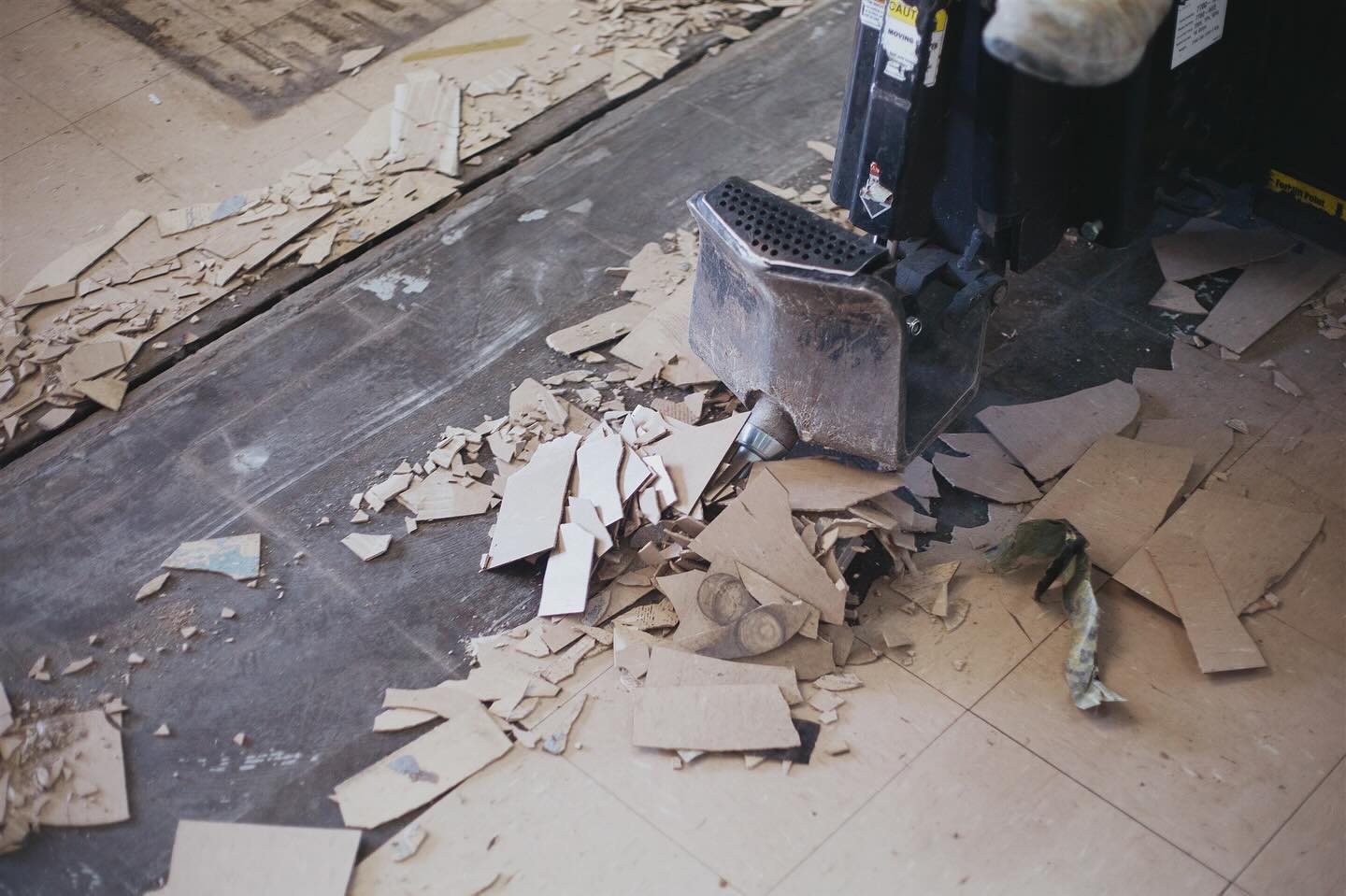
Scraper blade lifting ceramic floor tiles and bedding off the concrete slab

What we remove

Ceramic, porcelain, quarry and terrazzo tiles. Bedding, screed and mortar beds. Tile adhesive and thinset back to a sound, bondable slab. The adhesive is where most tile jobs go wrong. Lifting tiles is the easy half — leaving a floor with ridged glue residue means the next trade either can't bond to it or has to price a grind you've already paid someone else to skip. We take the slab back to a surface the following system can actually key into, using the same concrete floor preparation equipment we'd bring to a standalone prep job.

Retail and shopping centres

Tenancy strips and refits, common area upgrades, staged around trading hours.

Offices and commercial tenancies

Floor plate changes ahead of new vinyl, carpet tile or coating systems.

Food production and commercial kitchens

Quarry tile and epoxy grout taken back to slab during planned shutdowns.

Warehouses and industrial

Tiled amenities, internal offices and wet zones inside larger facilities.

Aged care, health and education

Occupied buildings where stopping dust leaving the work area is the whole job.

Compliance
Tile debris cleared back to expose the bare concrete slab under a commercial floor

Asbestos in older floors

If the building predates 1990, assume the vinyl tiles, the sheet backing or the adhesive underneath may contain asbestos until testing says otherwise. This is routine on older commercial floors and it is not something to discover halfway through the job.

If we suspect ACM during assessment, we stop and tell you. Licensed removal happens first, by a licensed asbestos removalist, and we come back in once clearance is issued.

It's slower and it's the only defensible way to run the job. See also our floor covering removal page for vinyl and sheet flooring.

How the job runs

Blast Prep Grind operator on a ride-on scraper stripping tiles from a commercial shopfront floor
1
Step 1

Site assessment

Tile type, bedding depth, slab condition, access and building age. We flag suspected ACM and confirm what the floor needs to be handed over to the next trade.

2
Step 2

Set up and containment

Extraction connected, work area sealed from occupied space, protection to lifts, doors and finishes on the route out.

3
Step 3

Lift and strip

Ride-on scraper across the open floor, walk-behind and hand tools to the edges. Debris contained and removed as we go.

4
Step 4

Adhesive and slab preparation

Residual adhesive and bedding ground back to a sound, bondable surface — see concrete floor preparation for how we specify this.

5
Step 5

Clean handover

The floor is vacuumed and handed over ready for the following trade. Waste disposal is set at quote stage — into your bins, your waste contractor, or removed by us if that's what's agreed.

Services
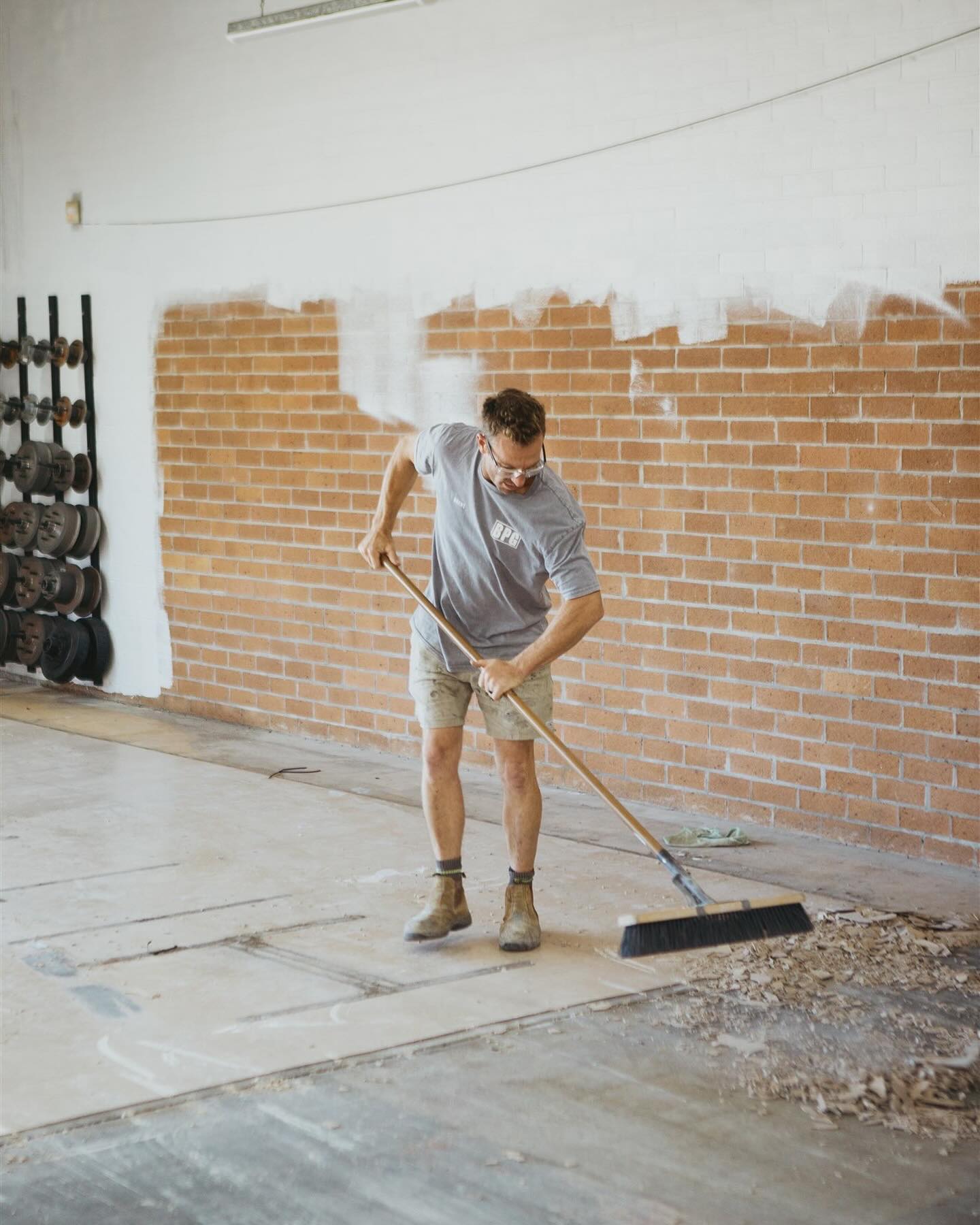
Blast Prep Grind operator sweeping down a stripped commercial slab before handover to the next trade

What happens after the tiles come off

Tile removal is rarely the whole job. Once the slab is exposed you'll know what you're actually dealing with, and the floor usually needs one more thing before it's finished.

Most clients go one of three ways. If the slab needs work before anything goes back down, concrete floor preparation profiles it for new vinyl, carpet tile or timber. If the space needs a hard-wearing sealed finish — kitchens, plant rooms, warehouses, anywhere with washdow or traffic — epoxy flooring goes straight onto the prepared slab. And if the exposed concrete is worth keeping, polished concrete turns the slab you've just uncovered into the finished floor, which removes a whole floor covering from the budget.

Each is quoted separately, but doing the removal and the finish with one contractor means nobody argues about whether the slab was left in a fit state — because the same team is standing on it either way.

Where we work

NewCastle

Hunter Valley

Central Coast

Sydney

Ready to start?

Book commercial tile removal

FAQ

Frequently Asked Questions

Is dust free tile removal actually dust free?

No mechanical tile removal is completely dust free, and be cautious of anyone claiming otherwise. What's achievable is capturing as much dust as possible at the source with H-class vacuum extraction and containing the work area so dust doesn't migrate into occupied parts of the building. That's what allows removal in trading retail and operating facilities.

What does commercial tile removal cost?

Pricing is per square metre and depends on tile type, bedding depth, how much adhesive has to come back, access, and whether the work is in or out of hours. Thick mortar beds and epoxy grout cost more than thinset. You can send us through the floor plan and building age for a free no-obligation quote.

Can you work while the building is occupied or trading?

Yes. Containment and extraction are what make it possible, and much of our commercial tile removal runs at night, on weekends or in staged handover areas so the tenancy or facility keeps operating.

How do I know if my floor contains asbestos?

Buildings constructed before 1990 may have asbestos in vinyl tiles, sheet backing or adhesive. It requires testing to confirm — visual identification isn't reliable. We flag suspected ACM at assessment and licensed removal is carried out by a licensed asbestos removalist before we proceed.

Do you remove the adhesive as well as the tiles?

Yes, and it matters more than the tiles. We take the slab back to a sound, bondable surface so the next flooring system can key into it, rather than leaving ridged glue residue for the following trade to deal with.

How long does a commercial tile removal take?

It depends on floor area, bedding depth and access.

Can I just hire a tile removal machine and do it myself?

For a commercial floor plate, rarely worth it. Hire machines are generally smaller than our ride-on units, hire rates don't include the H-class extraction or containment that makes the job compliant in an occupied building, and adhesive removal usually needs grinding equipment as well.

Business hours

let's connect

Work with us

Contact us to request a Free floor estimate or learn more about our flooring services.

Submit your message
Submit your message
Thank you! Your submission has been received!
Oops! Something went wrong while submitting the form.